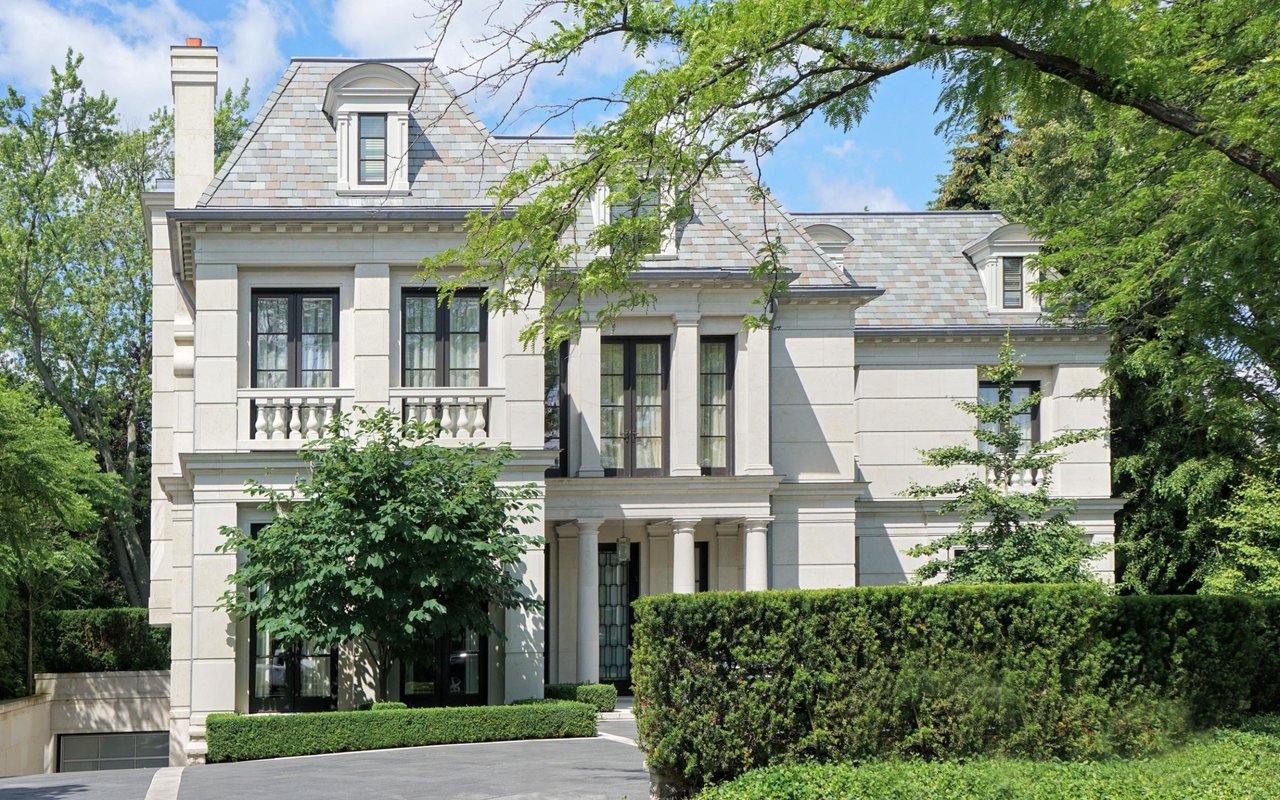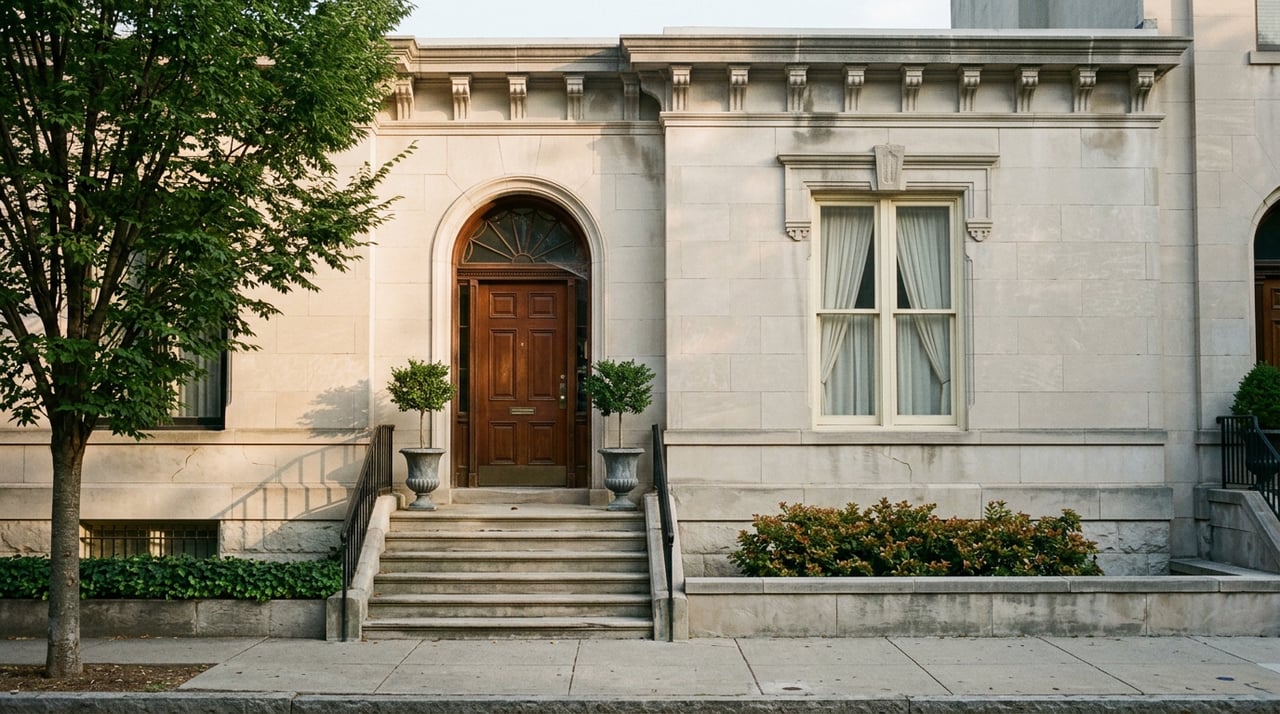
A three-bedroom on Bellevue Place had been sitting on the market since 2023 without finding a buyer. Nothing about the location was the problem: the block runs between Lake Shore Drive and Rush Street, deep in the heart of the Gold Coast. When Olivia Stohle, an agent with the Rubina Bokhari team at Jameson Sotheby's International Realty, took over the listing, she spent a month decluttering the home, brought in a designer to restage the layout with new furniture, and shot new photos and video. The refresh cost about $10,000. She relisted in January 2026 at $3.85 million, a $50,000 cut from the prior asking price, and the home went under contract about a month later, in February 2026, at $3.6 million, according to The Real Deal.
That single transaction is a useful lens on a larger shift. Buyers who assume the Gold Coast is simply too expensive and too static to bother with are working from an outdated read. The neighborhood's supply has tightened sharply over the past year, even as it stays quieter than the frantic bidding wars playing out a few miles north. The gap between those two facts is where the opportunity sits.
The Two Different Kinds of Tight
Lincoln Park and Lakeview have been the epicenter of Chicago's most visible seller's market this year. Competing offers have pushed closing prices well over asking, and multiple buyers have found themselves chasing the same scarce listings, per that same Real Deal reporting on February 2026 market conditions. Downtown neighborhoods, including the Gold Coast, River North, and Streeterville, haven't reached that same fever pitch. But listing inventory for both single-family homes and condos has been dropping there too throughout the spring.
Downtown properties spent a median of 91 days on the market in February 2026, a modest 3 percent improvement from a year earlier. That's still slower than the citywide median of 69 days, and slower than Lincoln Park's 56-day median that same month. On paper, the Gold Coast looks like the patient buyer's neighborhood: less competition, more room to negotiate, more time to think.
Olivia Stohle put the shift in blunter terms. Describing the current Gold Coast inventory, she said simply: "It just feels stale." Coming from an agent who spent the prior year telling buyers to pick their favorite among a wide field of options, that's a meaningful reversal.
The Number That Changes the Read
Here's the figure that does the real work: supply of single-family homes listed in the Gold Coast, measured in months it would take to sell through current inventory at the recent pace of deals, dropped to 5.5 months in January 2026. A year earlier, that same measure sat at 13.7 months. That's a 60 percent contraction in twelve months.
Michael Rosenblum, an agent with Berkshire Hathaway HomeServices Chicago who sells luxury homes downtown, has watched the same trend from the single-family side specifically. Buyer demand for that category of Gold Coast housing has grown after several quiet years, even as the pool of available homes has thinned.
Put those two data points together and the "too expensive to compete for" assumption starts to look shaky. Days on market are still longer in the Gold Coast than in Lincoln Park, which means less pressure per listing. But the trend line on available inventory is moving in the same direction as everywhere else in the city, just from a different starting point and at a different pace.
What the Median Actually Buys
Median price figures flatten a neighborhood that is anything but uniform. The Gold Coast stacks five distinct housing types on top of each other within a few blocks, and each one comes with a different entry price and a different set of rules.
| Housing Type | Typical Price Range | What Sets It Apart |
|---|---|---|
| Vintage co-op, one-bedroom | Starting around $250,000 | Lower entry cost, but board approval and financing limits apply |
| Vintage condo | Roughly $250,000 to $400,000+ | Deeded ownership, broader lender pool |
| High-rise condo, current listings | Median list price around $585,000 as of early August 2026 | 67 active listings, averaging 55 days on market |
| Brownstone or rowhouse | $1.5 million to $4 million | Compact lots, period architecture, limited supply |
| Freestanding single-family | $3 million to $10 million or more | Rare, mostly clustered near Astor Street and Dearborn Parkway |
The condo snapshot is worth sitting with for a moment. As of early August 2026, there were 67 condos actively listed in the Gold Coast, with a median list price near $585,000, an average of 55 days on market, and roughly 45 homes sold in the prior month. That's a market moving at a steady, unremarkable pace, which is exactly the point. It doesn't behave like a neighborhood in crisis or a neighborhood in a frenzy. It behaves like a neighborhood quietly running out of room.
The Co-op Detour Most Skip
The co-op line in that table is the one buyers coming from Lincoln Park or Lakeview tend to walk past without a second look, mostly because co-ops don't show up the same way on standard searches and the ownership structure is unfamiliar. That's a mistake if budget flexibility matters.
A few things to plan around before treating a Gold Coast co-op as a shortcut to affordability:
- You're buying shares in a corporation and a proprietary lease, not a deed, which changes how title and resale work.
- Board approval typically adds four to eight weeks to a transaction, on top of standard closing timelines, and boards can decline an applicant even after a lender has approved financing.
- Co-op financing usually caps loan-to-value somewhere between 50 and 70 percent of the purchase price, and only a limited number of lenders offer share loans in Chicago at all.
- Subletting is often restricted or prohibited outright, which matters if you're weighing a Gold Coast unit as a part-time residence rather than a full-time home.
None of that makes co-ops a bad option. For a buyer who plans to live in the unit full time and isn't counting on renting it out later, a co-op can be one of the more genuinely affordable ways into a neighborhood where the freestanding housing stock now runs into eight figures. It just requires building the board timeline into your plans from the start, the same way you'd build in inspection contingencies anywhere else.
Positioning Over Price: The Bellevue Place Lesson
Circle back to that listing on Bellevue Place. It didn't sell for two years not because the neighborhood had lost value, but because the presentation wasn't doing the home any favors. Once it was staged and remarketed, it moved in about a month, at a price only modestly below where it had been sitting stale. Stohle put it this way: "It really goes to show that it's not necessarily about your price."
That's a useful correction for anyone assuming the Gold Coast's tightening supply means every listing will now move on its own momentum. Falling months-of-supply describes the neighborhood in aggregate. It doesn't guarantee that any individual home is priced or presented correctly. In a market with 67 active condo listings and a steady but unspectacular pace of 55 days on market, the properties that get real attention are still the ones where pricing, staging, and marketing line up with what a specific building and a specific block can actually support.
What This Means If You're Comparing Neighborhoods Right Now
For a buyer weighing Lincoln Park against the Gold Coast today, the honest comparison isn't "affordable versus expensive." It's "chaotic versus tightening." Lincoln Park and Lakeview are seeing bidding wars and multiple-offer situations play out in real time. The Gold Coast is seeing something quieter but arguably more consequential: a genuine, measurable drop in available single-family inventory, alongside a condo market that's still moving at a manageable pace for a buyer willing to act with some urgency.
For sellers, the lesson from Bellevue Place applies just as directly. A tightening market doesn't do your positioning work for you. It just means a well-presented, correctly priced home has less competition to stand out from than it did twelve months ago.
A Few Questions Worth Answering
Is the Gold Coast currently a buyer's market or a seller's market? It's tightening in the seller's favor for single-family homes specifically, while the condo segment is moving at a steadier, more balanced pace with 55-day average market times as of early August 2026.
Are co-ops a realistic option for a second home or a part-time residence? Only if the specific building allows it. Many Gold Coast co-op boards restrict subletting and pied-a-terre use, so that question needs to be answered building by building before you write an offer.
Does a longer days-on-market figure mean a neighborhood is struggling? Not on its own. The Gold Coast's 91-day downtown median in February 2026 reflects a market with more room to negotiate than Lincoln Park, not a market in decline. Context and trend direction matter more than the raw number.
If you're comparing the Gold Coast against a neighborhood where you've already lost a bidding war or two, the numbers say it's worth a second look, and the co-op tier in particular deserves more attention than it usually gets. The VC Team works both sides of this exact comparison across Chicago's North Side and knows how to price, stage, and time a move into a market that's tightening quietly rather than loudly. Start a conversation before your next offer, not after your third one falls through.