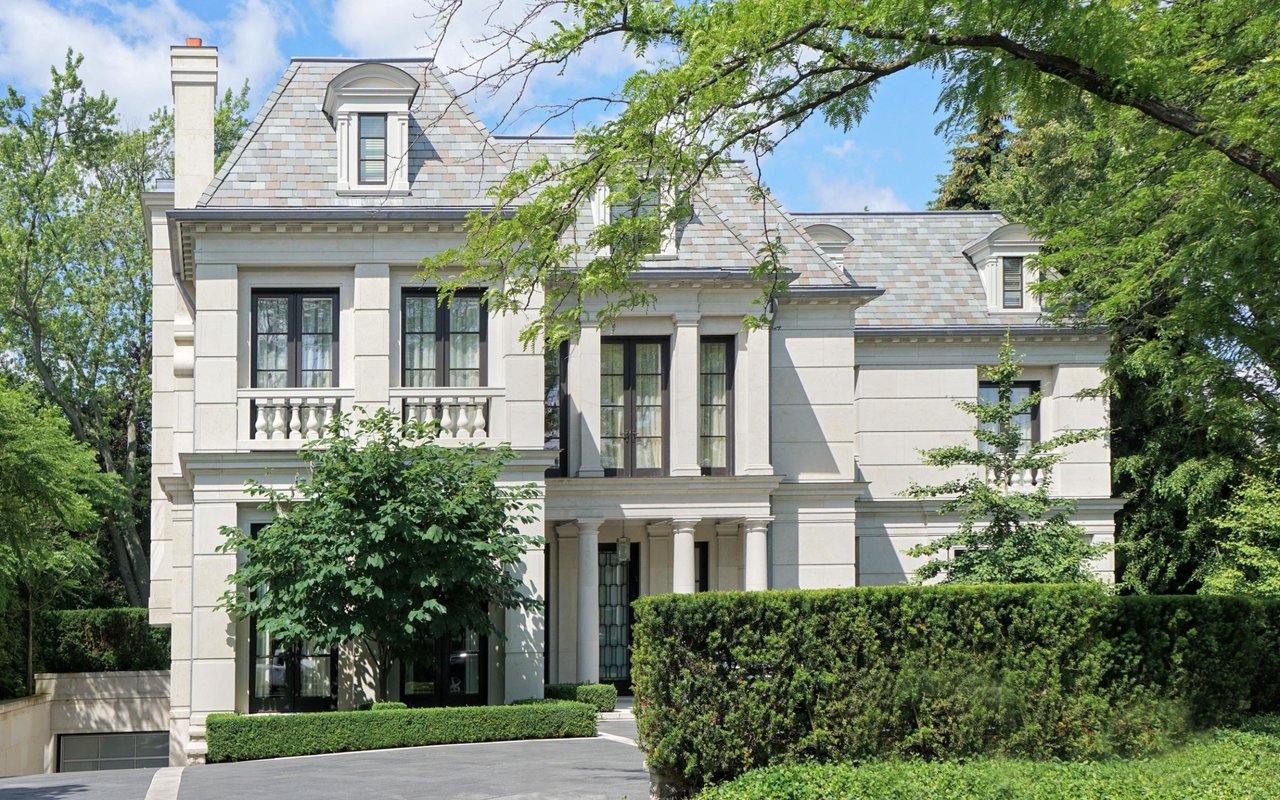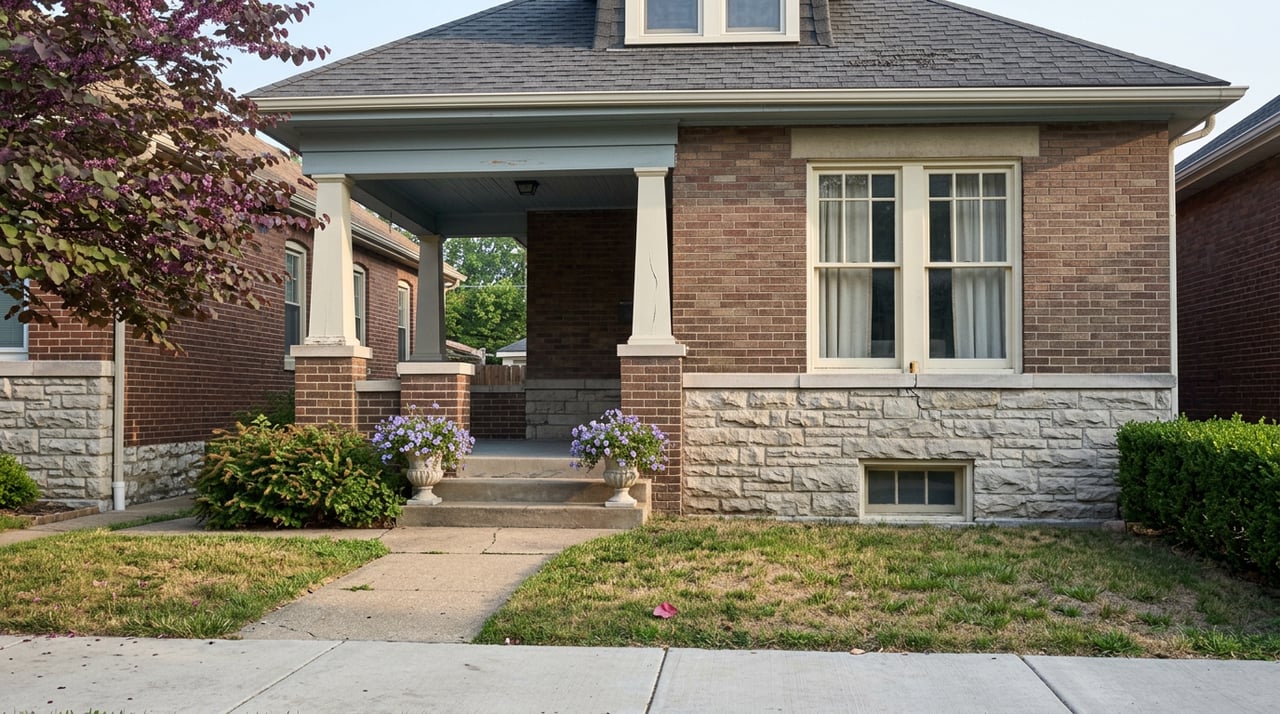
A one-bedroom condo on Aldine Avenue hit the market this summer for the first time in almost thirty years. Within a day, the listing agent had more than a dozen showings scheduled. The unit, 950 square feet with plenty of natural light, was asking $329,900. It closed about a month later for $400,000, cash, no contingencies standing in the way. One buyer who toured it, Michael Mutz, was among more than a dozen people who walked through that single afternoon, according to the Chicago Sun-Times.
If you're comparing Lake View to other North Side neighborhoods right now, you've probably seen a single number attached to it: a median home price somewhere around $500,000 to $520,000, based on trailing sales data through early 2026. That number is real. It is also close to useless for figuring out your own budget, because it blends at least three housing markets that are moving in completely different directions at completely different speeds.
A Number That's Actually Several Numbers
Lake View's MLS-reported price data, when you separate it by property type, tells three contradictory stories at once.
Condos, the largest and most liquid slice of the neighborhood's inventory, had a median list price of $499,000 across 144 active listings as of the end of July 2026, with typical units selling in about 34 days after fielding roughly three offers apiece. That's the market Ellie Howie has been living in for two months. She lost a two-bedroom, one-bath condo in Lake View to one of six competing offers and still checks daily to see if the winning buyer's deal falls through. "There's just not a lot out there," she told the Sun-Times.
Single-family homes are a different animal entirely. By the end of April 2026, only ten single-family houses were listed for sale in Lake View, a drop of 54.5 percent from the year before. The ones that did sell carried a median price of $1,837,500, up 6.5 percent year over year. That's not a neighborhood getting more expensive so much as a neighborhood running out of a specific kind of house to sell.
Then there's West Lakeview, where MLS data covering the three months ending in March 2026 showed a median sale price of $675,000, down 11.7 percent from the same period a year earlier. On paper, that reads like a discount. But the same data set showed price per square foot up 23.9 percent over that same window. Those two numbers cannot both describe the same houses getting cheaper. They describe a shift in which houses happened to sell.
Here's what that looks like laid out side by side, using each figure's own reporting window:
| Segment | Recent median | Window | What's driving the number |
|---|---|---|---|
| Condos | $499,000 (list) | End of July 2026 | 144 active listings, ~34 days on market |
| Single-family | $1,837,500 (sold) | End of April 2026 | Only 10 homes for sale, down 54.5% YoY |
| West Lakeview | $675,000 (sold) | Trailing 3 months to March 2026 | Just 23 sales; price per sq ft up 23.9% YoY |
| Neighborhood-wide, all types | $520,000 (sold) | Trailing period to March 2026 | Blends all three segments above |
The bottom row is the number most portals will show you first. It's the least useful row in the table.
The House That Basically Isn't There Anymore
Ten single-family homes for sale in a neighborhood of roughly 94,521 residents is not a market correction. It's closer to a supply failure. When a category shrinks that far, the median sale price stops functioning as a price signal and starts functioning as a description of whichever handful of houses happened to close that month. If a five-bedroom vintage greystone and a modest two-bedroom cottage both sell in the same reporting period, the median will swing wildly based on which one traded, not on whether Lake View got more or less affordable.
This matters if you're shopping for a detached home and using that $1.8 million figure to size up your options. It's not a ceiling or a floor. It's the midpoint of a sample so small that one more listing, or one fewer, could move it by six figures. The scarcity is the story here, not the price itself.
Why a "Falling" Price Can Mean Nothing at All
West Lakeview's numbers are the clearer version of the same trap. A median sale price that drops 11.7 percent sounds like relief for buyers. But when price per square foot on those same sales rises 23.9 percent, the honest read is that a different mix of homes changed hands, not that value declined. Picture two years of sales: one year skews toward larger vintage two-flats near Ashland, the next toward smaller, updated single-family homes closer to the Southport Corridor. The median moves. The market underneath it hasn't necessarily moved at all.
West Lakeview is small enough that March 2026 saw just 23 recorded home sales, the same count as March 2025. A pool that size means a handful of unusual transactions, an estate sale, a distressed property, a rushed relocation, can shift the reported median and price-per-square-foot figures on their own. Any single quarter of data for a pocket this size should be read as a snapshot of what happened to trade, not a verdict on where prices are headed.
The Corridor Is Being Rebuilt Under the Same Pressure
The same scarcity showing up in the sales data is visible on Belmont Avenue right now. Ann Sather's flagship location, open since 1945 and a fixture of the neighborhood for 81 years, is closing this summer so its building can make way for new construction, with the restaurant still searching for a new Lakeview address, according to Block Club Chicago. The original proposal for that site called for an 11-story, 210-unit building. After pushback and financing pressure, the developer cut it down to five stories and 46 apartments, a project now under construction that will also mean the eventual demolition of the current Ann Sather building.
That scaled-down outcome is worth sitting with. A developer with land on one of Lake View's busiest corridors couldn't make the numbers work at scale and built smaller instead. The same land constraints that shrink a highrise proposal to a five-story building are the constraints keeping single-family inventory in the neighborhood down to single digits. Land here is finite, entitlements are slow, and every use of it, whether that's a new apartment building or a homeowner deciding not to sell, competes for the same limited footprint.
What This Means If You're Actually Shopping Lake View
None of this is unique to Lake View. Citywide, the number of single-family homes for sale in Chicago hit 1,373 in June 2026, the lowest figure the Chicago Association of Realtors has recorded since it began tracking data in 2008, alongside 2,121 attached homes, together representing less than two months of supply against the four to six months considered a balanced market. New single-family listings were down 11.3 percent year over year that same month, and attached listings down 2.8 percent.
Lake View is simply where that citywide squeeze shows up hardest, because its housing stock skews toward exactly the categories under the most pressure: small-lot single-family homes and desirable vintage condos in walkable, transit-served pockets.
If you're comparing this neighborhood to others, the practical move is to stop asking "what's the median price in Lake View" and start asking which of these three markets you're actually in. A condo buyer competing in the $499,000 range is playing a completely different game than someone chasing one of ten single-family listings at $1.8 million, and neither has much in common with the compositional noise coming out of West Lakeview's small sales sample. Treat the blended neighborhood median as background context, not a budget anchor, and price your comparison against the specific property type and specific pocket you're actually pursuing.
A Few Questions Worth Answering
Is Lake View's housing market cooling down? The headline numbers suggest something close to flat, but that reading only holds if you average across property types that are behaving very differently. Condo inventory is comparatively available. Single-family inventory has nearly disappeared. Reading the blended figure as a cooling trend would miss both of those realities.
Why did West Lakeview's median price drop while price per square foot went up? Most likely because a different mix of homes sold in the more recent period compared with the year before, not because comparable homes got cheaper. With a pocket this small, where a single month can see as few as 23 sales, the mix matters more than any underlying shift in value.
Should I wait for single-family inventory to improve before buying in Lake View? That depends on your timeline and what's driving the scarcity. Land constraints, zoning, and the pace of new development on corridors like Belmont Avenue suggest this isn't a temporary dip. A frank conversation about your priorities, and which of Lake View's sub-markets actually fits them, will tell you more than waiting on a number that may not move the way you expect.
Reading a neighborhood's price data accurately means knowing which market inside that neighborhood you're actually comparing yourself against. The VC Team spends its time in exactly that kind of detail, matching Chicago's North Side submarkets to what a buyer or seller is really trying to accomplish. If you're weighing Lake View against other neighborhoods, or trying to figure out what your budget actually buys once you look past the median, reach out and start the conversation grounded in the numbers that apply to your specific search.